
7 Zero-Waste Meal Prep Ideas That Save
— 7 min read
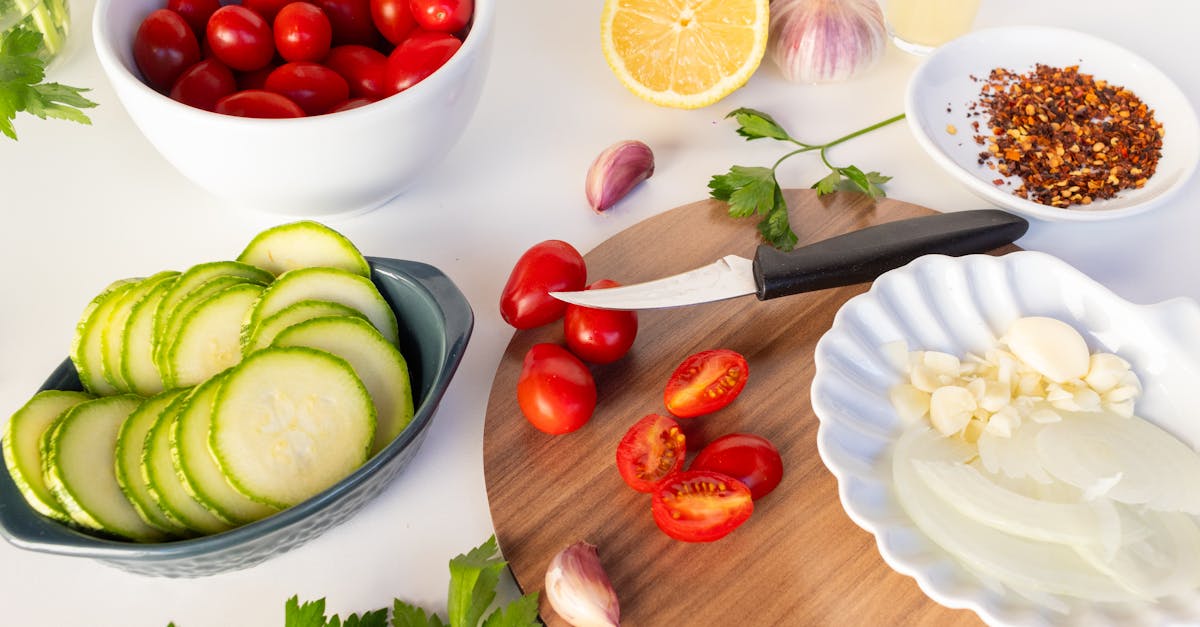
Zero-waste meal prep saves money and reduces waste by repurposing vegetable scraps, stems, and peels into flavorful foundations for healthy cooking. By freezing these components to create homemade stocks and sauces, you transform discarded kitchen waste into a cost-effective, nutrient-dense base that simplifies meal assembly for the entire work week.
Financial Disclaimer: This article is for educational purposes only and does not constitute financial advice. Consult a licensed financial advisor before making investment decisions.
Mastering Zero-Waste Meal Prep Ideas for Busy Weeks
Key Takeaways
- Transform vegetable scraps into a nutrient-dense base for weekly soups and stews.
- Use a dedicated freezer scrap bag to collect onion skins and carrot tops.
- Batch your stock production during weekend kitchen blocks to save weekday time.
- Turn discarded vegetable parts into flavorful liquids for quick, healthy meals.
The secret ingredient to professional-tasting meals isn't in a store-bought carton - it's in your kitchen compost bin. When I started my journey toward sustainable cooking, I realized that I was tossing out half of the flavor potential of every vegetable I bought. Think of your kitchen like a production line. If you are preparing dinner and throw away carrot peels, onion ends, or mushroom stems, you are essentially throwing away the building blocks of your next meal.
To begin, I suggest placing a reusable silicone bag or a sturdy container in your freezer. This is your 'scrap bag.' Every time you chop vegetables for a quick meal, toss the clean, non-moldy bits - like the leafy tops of celery or the ends of leeks - into that bag. Once the bag is full, you have the perfect foundation for a rich, aromatic vegetable broth. This practice prevents organic waste from reaching landfills and ensures you are ready for a broth-making session during your next weekend kitchen block.
Focus on high-impact batching. Batching is simply the act of doing all your preparation work at once. When I dedicate a few hours on Sunday to boiling these accumulated scraps with water, herbs, and peppercorns, I create a versatile liquid that serves as the backbone for my quick meals all week long. Whether you are making a simple lentil soup or a quick risotto, having this homemade base ready means you never have to scramble for flavor. It is a simple habit that turns a busy, chaotic work week into a smooth, culinary-focused experience.
Scaling Sustainable Cooking Through Ingredient Upcycling
Adopting a philosophy of sustainable cooking means looking at every vegetable component as a potential resource rather than waste. In my experience, this mindset shift significantly lowers your monthly grocery expenditure because you stop buying items you are essentially already producing. For example, instead of buying expensive pre-made stocks, I utilize the herb stems and woody asparagus ends I would have previously thrown away. These items contain intense, concentrated flavors that are perfect for infusing cooking liquids.
According to Serious Eats, saving your vegetable scraps to make stock is one of the most effective ways to maximize your kitchen resources. When you boil these components, you extract deep, complex notes that often cost premium prices when purchased in store-bought cartons. By creating these stocks, you are not only saving money but also ensuring that your food has a higher nutritional profile without the artificial stabilizers found in processed goods.
I find it incredibly helpful to visualize the impact of these changes. If you are feeling skeptical, I encourage you to track your household food waste reduction. You can weigh your vegetable scraps before and after implementing these methods. Seeing the physical reduction in your trash bin is a powerful motivator. It confirms that you are salvaging value from items that were previously destined for the bin. This is the core of sustainable living: doing more with what you already have.
Healthy Cooking Foundations Without the Added Cost
Prioritizing healthy cooking often feels expensive, but it is actually quite manageable when you focus on cost-effective cooking tips. One of the most important foundations is making your own stocks at home. Many store-bought broths are filled with excessive sodium and preservatives designed for long shelf life. By making your own, you maintain total control over what goes into your body, which is vital for maintaining energy levels during a demanding work week.
Another strategy I rely on is purchasing seasonal produce in bulk. When items are in season, they are generally cheaper and taste better. If I have more produce than I can use, I freeze the portions I cannot immediately use to prevent spoilage. For example, if I buy a large bag of spinach, I wash it, dry it, and portion it into freezer bags. This prevents the financial loss of throwing away rotting vegetables at the end of the week. This level of organization ensures that I always have healthy components ready to go.
To keep my meals balanced and budget-friendly, I combine these homemade vegetable broths with high-protein staples like lentils or beans. A simple, nourishing soup made from homemade stock and canned beans is an incredibly fast, affordable, and healthy meal. This approach supports my busy daily schedule without forcing me to rely on expensive takeout. It is about building a pantry of reliable, nutritious staples that save you time and money while keeping you healthy and satisfied.
Streamlining Your Kitchen for Quick Meals Success
To succeed with quick meals, you must maintain an organized storage system. If you cannot find your ingredients, you are more likely to abandon your healthy plans and order takeout. I categorize my freezer into sections: stocks, chopped vegetables, and pre-cooked legumes. This keeps my kitchen a sanctuary of efficiency rather than a source of stress. When I know exactly where my homemade broth base is, I can start cooking within seconds of arriving home.
Developing a repertoire of easy recipes is essential. I suggest mastering three or four dishes that rely entirely on your homemade stocks. For instance, a basic vegetable stew or a quick quinoa grain bowl becomes a professional-grade meal when you use a flavorful, homemade vegetable stock instead of water. When I am tired after work, I don't want to think about complicated recipes. Having a few reliable, repetitive recipes minimizes decision fatigue and keeps me on track.
I also leverage smart kitchen tools to make this process easier. According to Gadget Review, certain tools can significantly cut down on prep, cooking, and cleaning time. A slow cooker or a pressure cooker is my secret weapon for extracting maximum flavor from veggie scraps with minimal active intervention. You simply toss the scraps into the pot, add water, and let the machine do the work while you focus on other tasks.
Integrating Nutritious Recipes for Busy Lifestyles
Creating nutritious recipes for busy lifestyles requires thinking ahead. I keep my freezer stocked with pre-portioned liquid bases. This allows for rapid meal assembly in under fifteen minutes. By having that liquid base ready, I can toss in a handful of frozen vegetables, some precooked grains, and a protein source to have a hot, healthy dinner in a fraction of the time it would take to prepare from scratch. It changes the way I view meal time.
It is important to understand that the quality of your base ingredients directly impacts the nutritional density of your final meals. When you use a homemade stock made from fresh, organic vegetable scraps, you are incorporating vitamins and minerals into your soup that would otherwise be missing from a watered-down, store-bought alternative. This turns even the simplest leftovers into high-quality, restorative dining experiences that fuel my long-term wellness goals.
I align my weekly habits with my health goals by batch-processing my ingredients every Sunday. I spend a few hours chopping, portioning, and freezing. This ensures that when the middle of the work week arrives and I am feeling drained, I have a clear path to a healthy dinner. I never resort to impulsive, less healthy dining options because the hardest part of the work is already done. This consistency is the ultimate key to maintaining a healthy lifestyle while balancing the pressures of a busy career and personal responsibilities.
Glossary of Terms
- Batching: The practice of performing a specific task, such as chopping vegetables or making stock, in large quantities to save time later.
- Decision Fatigue: The deterioration of the quality of decisions made by an individual after a long session of decision-making, often leading to impulsive choices.
- Ingredient Upcycling: The process of transforming food scraps or leftovers into new, useful products or ingredients.
- Nutritional Density: A measure of the amount of nutrients (vitamins, minerals) in a food relative to its calorie content.
- Sustainable Cooking: A method of preparing food that minimizes waste, reduces environmental impact, and promotes long-term resource efficiency.
Common Mistakes to Avoid
- Using Moldy Scraps: Never add moldy or rotten vegetable parts to your scrap bag, as they will ruin the flavor of the entire batch of stock.
- Forgetting to Label: Always label your frozen containers with the date so you can rotate your inventory properly.
- Overcrowding the Freezer: If you jam too much into your freezer, it can become unorganized, leading to wasted food that gets buried and forgotten.
Frequently Asked Questions
Q: What types of vegetable scraps are best for making stock?
A: The best scraps for stock include onion skins, carrot peels, celery leaves, mushroom stems, and herb stalks. Avoid using cruciferous vegetables like broccoli, cabbage, or Brussels sprouts, as they can become bitter when boiled for a long time. Always ensure your scraps are clean and free of rot or mold before adding them to your collection bag.
Q: How long can I keep my scrap bag in the freezer?
A: You can keep your scrap bag in the freezer for up to three months. Beyond that, the flavor may start to degrade, and the vegetables might develop freezer burn. It is best to plan a stock-making session whenever your bag feels full, typically every few weeks, to ensure the freshest flavor profile in your final liquid base.
Q: Is it safe to make stock in a slow cooker?
A: Yes, a slow cooker is an excellent tool for making stock. It allows for a long, gentle simmer which helps extract maximum flavor and nutrients from your vegetable scraps. Simply fill the slow cooker with your frozen scraps, add water to cover, and set it on low for 6 to 8 hours. The result is a rich, flavorful broth that is far superior to store-bought options.
Q: How can I store homemade stock?
A: You can store homemade stock in the refrigerator for up to 5 days in an airtight container. For longer storage, pour the cooled stock into freezer-safe bags or containers. Freezing it in ice cube trays is a great trick for quick, pre-portioned amounts, allowing you to add just the right amount of flavor to any dish without having to thaw an entire quart of broth.
" }

