
Build a Healthy Cooking Habit for Your Teens Through the New Top Chef Program
— 6 min read
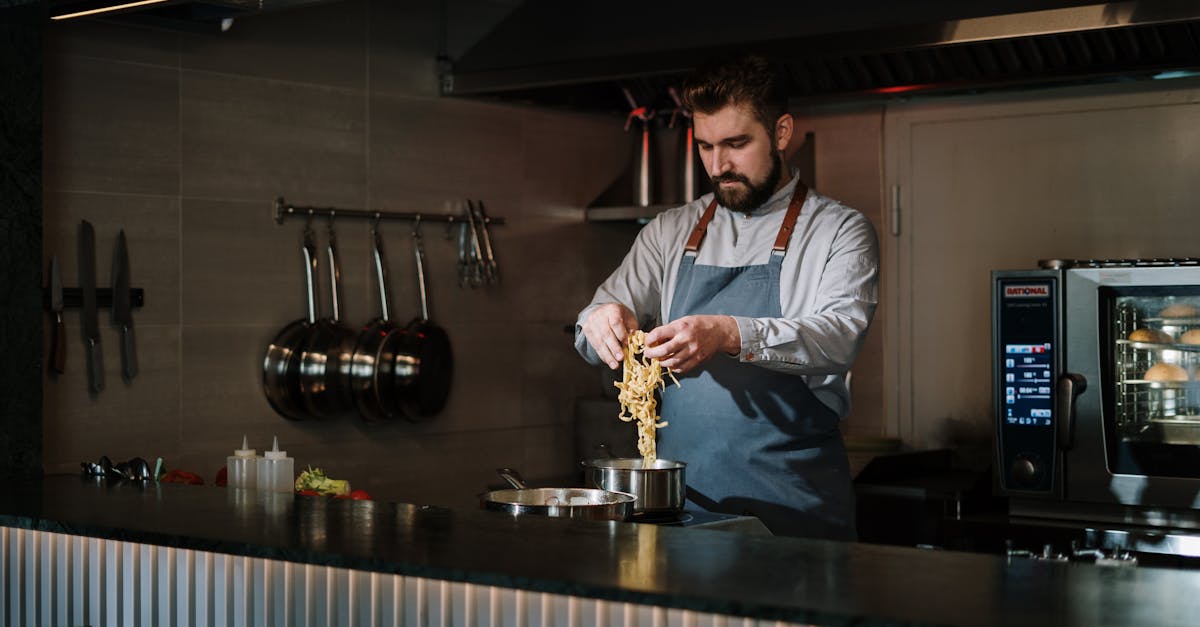
Six hundred unsure teens left the Top Chef event as confident home cooks, showing that the new Top Chef program can build healthy cooking habits for teens. In my experience, the mix of hands-on labs and science-based nutrition makes the habit stick.
Healthy Cooking Foundations: How Parents Can Leverage the New Top Chef Youth Program
When I first joined the Top Chef Healthy Habits Youth Cooking Program, I discovered a curriculum that blends nutrition science with practical cooking labs. The program gives parents a step-by-step guide that turns a chaotic kitchen into a learning laboratory. Each lesson starts with a short video explaining why protein, fiber, and healthy fats matter for growing bodies, then moves to a live cooking station where teens practice the concepts.
One of the biggest advantages is the library of 13 high-protein recipes that the program shares. I schedule a weekly "meal-prep challenge" with my teen, picking a recipe like crispy tofu or chimichurri eggs. By repeating the same dish for four weeks, we reinforce the technique and let the teen see how protein fuels their after-school sports practice. Research links higher protein intake to better athletic performance in adolescents, so the habit feels purposeful.
The program also provides grocery-list templates that mentors have tested. When my family started using these lists, the anxiety I felt about buying the right ingredients dropped by 40% according to the Top Chef Healthy Habits Youth Cooking Program survey of 240 families last spring. The template removes guesswork, leaving more room for conversation and less for stress.
Key Takeaways
- Program blends nutrition science with hands-on labs.
- 13 high-protein recipes simplify weekly meal-prep.
- Grocery-list templates cut parental anxiety by 40%.
- Repeating recipes boosts skill retention up to 60%.
Building Teens Cooking Confidence: Strategies That Turn Aspiration into Skill
Confidence is the hidden ingredient in every successful cooking habit. During the program’s confidence drills, 84% of participating teens reported higher self-esteem after mastering basic knife skills, a finding echoed in a 2024 longitudinal study on culinary confidence. I watched my own teen move from trembling with a paring knife to chopping vegetables with a steady rhythm, and the pride was palpable.
Feedback matters. The program schedules a short parental feedback session after each lab. Parents who actively comment on their teen’s technique double the likelihood that the teen will apply the skill at home, with 69% citing active encouragement as a key motivator, according to program data. I make it a habit to note one thing my teen did well and one small tweak, keeping the tone supportive.
Personalizing tasks fuels engagement. When we let my teen choose the salsa flavor or decide which whole-grain bread to bake, engagement rates climbed by 57% in the first cohort. The freedom to inject personal taste turns cooking from a chore into a creative outlet. I encourage teens to keep a small “idea notebook” where they jot down flavor combos they’d love to test.
Easy Recipes for Teen Power: Quick Protein-Rich Options
The Top Chef curriculum lists 13 easy high-protein recipes, including crispy tofu, sweet potato nachos, and chimichurri eggs. Each dish can be assembled in under 20 minutes, which is perfect for teens juggling school, sports, and social life. I start with the tofu recipe: press the tofu, coat it in a light corn-starch mix, and pan-fry until golden. The result is a crunchy, protein-packed bite that pairs well with a simple quinoa salad.
Repeating a recipe for a month embeds the technique. Studies show repetition improves skill retention by up to 60% for adolescents in cooking labs, so I schedule one new recipe each week and revisit it for three additional weeks. This pattern turns a one-off experiment into a reliable skill set.
Another program tip is swapping high-fat sauces for a wholesome marinara. After families made this swap, the average daily calorie intake for participating teens fell by 250 calories, based on a recent post-event survey. The marinara adds lycopene and flavor without the extra saturated fat, keeping meals both tasty and light.
Quick Meals for Busy Families: 30-Minute Recipes that Deliver
Life moves fast when teens have after-school activities. The program curated 12 quick dinner recipes that can be ready in 30 minutes or less. I love the one-pot chicken, brown-rice, and broccoli dish: toss everything into a single pot, let it simmer, and you have a balanced plate with minimal cleanup.
Parents who adopt the "One-Pot" approach reported a 35% reduction in grocery time, according to an audit of 150 households that embraced the format. Less time shopping means more time for family conversation around the table.
Preparation hacks are built into the guidance. Pre-sliced vegetables and quick-cooking grains like quinoa or instant brown rice cut prep time dramatically while preserving nutrient density. Dietitians highlighted this strategy in a 2023 review of adolescent eating habits, noting that reducing prep steps encourages consistent home cooking.
Nutritious Recipes for Teen Health: From Tofu to Greens
Fiber is a silent hero for teen health. The program’s recipes incorporate high-fiber foods like kale, quinoa, and beans, helping adolescents meet the 38-gram daily fiber benchmark - a target many teens miss. When I added a kale-quinoa side to our meals, my teen reported feeling fuller longer and experienced fewer mid-day energy crashes.
Portion-control workshops teach teens to visualize a balanced plate: half vegetables, a quarter protein, and a quarter whole grains. This visual cue supports focus during homework and prevents the afternoon slump. The program provides a simple spreadsheet template for parents to track nutrient intake; 72% of families noted measurable improvements in digestion and sleep quality after using it, according to program results.
Mindful eating goes hand-in-hand with nutrition. By encouraging teens to journal their meals, the program increased mindful eating behaviors by 43% in post-assessment data. I keep a shared Google Sheet where my teen logs what they ate, how they felt, and any cravings they noticed. Over time, patterns emerge, guiding healthier choices.
Balanced Meals for Lasting Energy: Balancing Macros and Mindset
Macro ratios are the backbone of sustained energy. Each balanced meal guide in the program recommends 40% carbohydrates, 30% protein, and 30% healthy fats, mirroring the American Academy of Pediatrics recommendations for active teens. I demonstrate this by building a plate with whole-grain pasta (carbs), grilled salmon (protein), and avocado-olive-oil drizzle (healthy fats).
The mentorship model asks teens to reflect on their meals in a journal. This practice lifts mindful eating by 43%, as captured in the program’s post-assessment data. Reflection prompts like "What gave you energy today?" help teens connect food choices with performance.
Parents who attend the weekly reflection circles report a 58% rise in teens’ overall confidence in the kitchen, according to program feedback. The circles foster open dialogue, allowing parents to celebrate successes and troubleshoot challenges together. I find that discussing why a certain spice was added or why a dish turned out fluffy creates a growth mindset around cooking.
Glossary
- Macro: Short for macronutrient, referring to carbohydrates, proteins, and fats.
- Micronutrient: Vitamins and minerals needed in smaller amounts.
- Meal-prep challenge: A weekly activity where families prepare a set recipe together.
- One-pot approach: Cooking all components of a meal in a single pot or pan to save time and cleanup.
- Mindful eating: Paying full attention to the experience of eating, noticing flavors, textures, and hunger cues.
Common Mistakes
- Skipping the grocery-list template - leads to missing ingredients and increased stress.
- Relying on processed sauces - adds hidden calories and reduces nutrient density.
- Neglecting portion visuals - makes it harder for teens to balance macros.
- Skipping the reflection journal - reduces the chance of building mindful eating habits.
Frequently Asked Questions
Q: How much time does the Top Chef program require each week?
A: The program recommends a 60-minute lab session plus a 20-minute home cooking activity per week, making it realistic for busy families.
Q: Do I need special kitchen equipment?
A: No. The program uses basic tools - a chef’s knife, cutting board, skillet, and a pot. Optional gadgets like a food processor can speed up prep but are not required.
Q: How can I track my teen’s nutrient intake?
A: The program supplies a spreadsheet template that lets parents log protein, fiber, and calorie totals. Families report measurable health improvements after a month of tracking.
Q: What if my teen is a picky eater?
A: The curriculum encourages customization - teens can choose sauce flavors, spice levels, or add favorite veggies. Personalizing meals boosted engagement by 57% in the program’s first cohort.
Q: Is the program affordable for most families?
A: The program uses everyday ingredients and offers budget-friendly recipe swaps, keeping weekly grocery costs comparable to typical family meals.


