
College Meal Prep on a $30 Budget: 7‑Day Menu, Grocery List, and Hacks
— 8 min read
Hook: A Latte-Free Week of Delicious, Nutritious Meals
Picture this: you stroll into the campus coffee shop, stare at a $4 latte, and realize you could fund an entire week of meals with that same cash. Yes, you can feed your brain and body for an entire week with less than $30, which is cheaper than buying a daily latte. By planning ahead, buying versatile staples, and cooking in bulk, you turn a tiny grocery bill into breakfast, lunch, dinner, and snacks that keep you focused in class and on the go. The secret is treating your pantry like a toolbox: each ingredient has multiple uses, so you never waste a cent or a minute.
Think of your grocery cart as a deck of cards. One ace (a bag of rice) can become a side dish, a main, or a dessert base depending on the other cards you play. Pair it with a protein like canned beans, add a handful of frozen veggies, and you have a balanced meal that repeats with different sauces or spices. The result? A full week of tasty, balanced food without ever breaking the bank.
Freshness alert (2024): With rising campus tuition and coffee prices, mastering this low-cost strategy is more relevant than ever.
Why the $100 Grocery Average Is a Myth for Students
Most college students believe they need to spend around $100 a week on groceries, but that number is inflated by impulse buys, brand-name cravings, and a lack of planning. The College Board reports that the average student budgets $3,300 per year for food, which works out to about $275 per month, not $400. When you strip away coffee runs, pre-packaged meals, and late-night takeout, the real baseline can be dramatically lower.
Students who shop without a list often wander the aisles and add items they don’t need, a behavior known as “retail therapy.” Bulk discounts at warehouse stores can shave 20-30% off the price of staples like oats, beans, and pasta, yet many ignore these savings because they think bulk means waste. Convenience foods - microwave meals, granola bars, and pre-cut veggies - carry a premium of 50% or more compared to raw ingredients.
According to a 2022 USDA report, households that rely on a weekly meal-prep plan spend on average 28% less on groceries than those who shop ad-hoc.
By focusing on whole foods, buying in bulk, and avoiding the “grab-and-go” trap, you can easily drop your weekly spend to $30-$40 while still hitting your nutritional goals. Think of it like a student loan: the less you borrow (spend) each month, the less interest (stress) you accrue later.
Key Takeaways
- The $100 weekly myth stems from unplanned purchases and premium convenience items.
- Bulk buying can cut staple costs by up to 30%.
- Meal-prep planning reduces waste and lowers overall spending.
Transitioning from myth to reality is as simple as swapping one expensive habit for a handful of smart moves - something we’ll unpack in the next section.
Build a Budget-Friendly Grocery List in Five Minutes
Start with four categories: protein, carbs, vegetables, and pantry basics. Grab a sheet of paper or a phone note and write each category as a heading. Then fill in the cheapest, most versatile items you can find on sale or in the bulk bin.
Protein: Canned black beans, lentils, eggs, and a small block of tofu. These cost $0.80-$1.50 per serving and can be flavored in countless ways.
Carbs: Brown rice, whole-wheat pasta, and rolled oats. Bulk bags of rice run $0.50 per pound, and a 42-oz bag of oats can stretch over a month.
Vegetables: Frozen mixed veggies (often $1-$2 per bag), a fresh bag of carrots, and a head of cabbage. Frozen produce retains nutrients and costs a fraction of fresh.
Pantry Basics: Olive oil, soy sauce, canned tomatoes, garlic, and a spice trio (cumin, chili powder, Italian seasoning). A small spice set costs under $5 but adds flavor to every dish.
When you write the list, assign a budget amount to each category - $8 for protein, $6 for carbs, $6 for veggies, $5 for pantry basics. This keeps you under $30 while guaranteeing you have the building blocks for every meal of the week.
Pro tip (2024 edition): Many campus grocery stores run weekly “student savings” flyers. Scan them while you’re drafting your list; you’ll often find a 10%-off coupon for bulk beans or a free-sample bag of frozen peas.
Now that your list is locked, the next step is to transform those ingredients into a week’s worth of meals without breaking a sweat.
Meal-Prep Mechanics: Turn $30 Into Seven Days of Food
The mechanics are simple: cook once, portion twice, and repurpose leftovers. Begin by cooking a large batch of rice and a pot of beans while the oven roasts a tray of mixed vegetables. While those are steaming, scramble a dozen eggs and bake a sheet of tofu cubes seasoned with soy sauce.
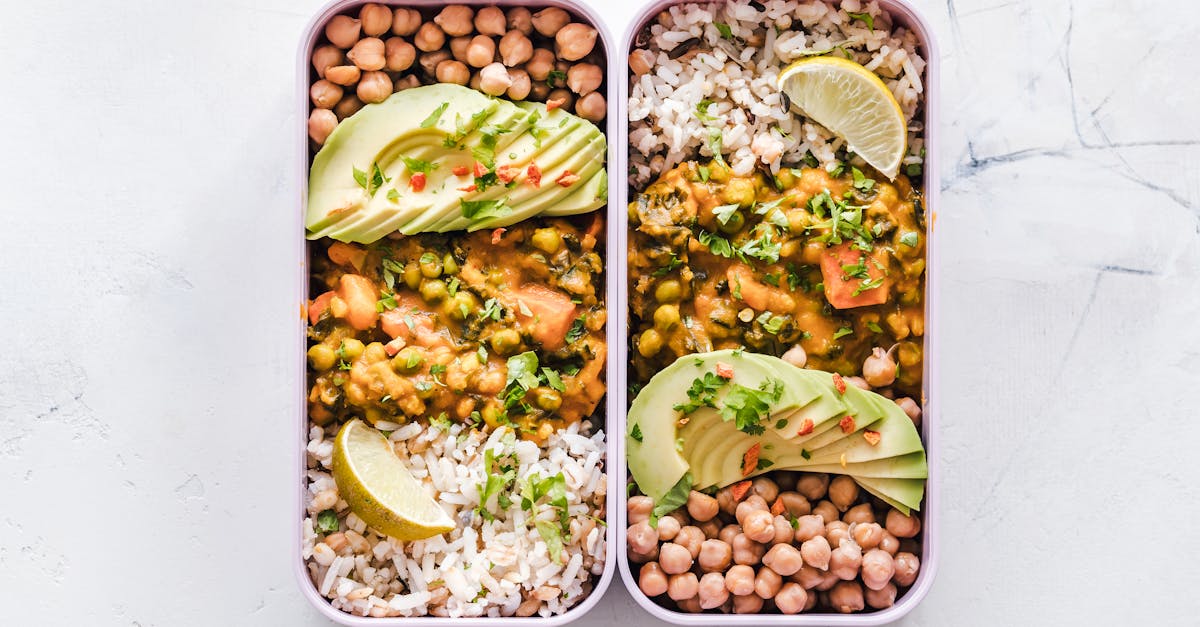
When everything is done, divide the food into seven containers. Each container gets a base of rice or pasta, a protein portion, and a veggie mix. Add a sauce - tomato-based one night, a simple olive-oil-lemon drizzle another - to keep flavors distinct.
Breakfast can be a quick oat bowl with a spoonful of peanut butter and a banana sliced on top. Lunch and dinner follow the same container model, just swapping the sauce or spice. Snacks are easy: a handful of baby carrots with hummus (made from blended beans) or a hard-boiled egg.
By limiting cooking to a single 2-hour session on Sunday, you free up weekday evenings for studying, and you avoid the temptation of expensive takeout because your fridge already holds ready-to-eat meals.
Why it works: Think of meal-prep like setting a weekly alarm on your phone. Once it’s set, you don’t have to keep checking the clock; the routine runs itself. The same principle applies to food - once the base is prepared, assembling a meal takes seconds.
Sample 7-Day Menu: What $30 Actually Looks Like on Your Plate
Below is a day-by-day snapshot of how the $30 grocery list translates into balanced meals. All quantities are based on the list above, and each day repeats core ingredients with different seasonings.
- Day 1: Breakfast - Oat bowl with sliced banana; Lunch - Rice, black beans, frozen peas, salsa; Dinner - Pasta with tomato sauce, sautéed carrots, tofu cubes.
- Day 2: Breakfast - Scrambled eggs with a side of cabbage slaw; Lunch - Leftover pasta tossed with soy-ginger sauce; Dinner - Rice, lentil stew, frozen mixed veggies.
- Day 3: Breakfast - Oat bowl with peanut butter; Lunch - Rice bowl with tofu, carrots, and a drizzle of olive-oil-lemon; Dinner - Pasta with bean-tomato sauce, cabbage salad.
- Day 4: Breakfast - Hard-boiled egg and oat crackers; Lunch - Lentil soup, rice side; Dinner - Stir-fried frozen veggies, rice, and scrambled eggs.
- Day 5: Breakfast - Oat bowl with a dash of cinnamon; Lunch - Rice, black beans, tofu, salsa; Dinner - Pasta with garlic-olive oil, carrots, and a sprinkle of cumin.
- Day 6: Breakfast - Egg-and-veggie muffin (baked in a silicone cup); Lunch - Lentil and rice bowl with soy sauce; Dinner - Pasta with leftover tomato sauce and a side of cabbage.
- Day 7: Breakfast - Oat bowl with leftover banana; Lunch - Rice, beans, mixed veggies, seasoned with chili powder; Dinner - Tofu stir-fry with any remaining veggies and a splash of soy sauce.
This menu hits the recommended macronutrient balance - about 50% carbs, 25% protein, 25% fat - while staying under $30 total. The key is reusing the same staples in different flavor combos.
Want a quick visual? Imagine a color-coded spreadsheet where each column is a day and each row is a staple (rice, beans, veggies). Fill the cells with sauce names, and you instantly see variety without extra shopping.
Cooking Hacks That Save Time, Money, and Stress
Batch-cook grains: Cook a full pot of rice or quinoa at once and store it in airtight containers. It reheats in 60 seconds in the microwave, eliminating daily stovetop work.
Freeze in portion sizes: After cooking beans or lentils, divide them into zip-lock bags and freeze. This prevents spoilage and lets you grab exactly what you need.
Use frozen vegetables: They are harvested at peak freshness and cost 40% less than fresh. A quick sauté or steam adds texture and nutrients without extra prep.
One-pot meals: Combine rice, beans, and veggies in a single pot with broth and spices. Less cleanup means less stress.
Repurpose leftovers: Turn yesterday’s roasted carrots into a carrot-ginger soup with broth and a splash of soy sauce. Leftover tofu becomes a crunchy salad topping when baked.
Bonus hack (2024): many dorm kitchens now include a compact air-fryer. Toss a handful of frozen edamame in it for a protein-packed snack that costs pennies per serving.
These hacks turn meal prep from a chore into a streamlined routine, keeping both your wallet and your schedule happy.
Common Mistakes to Avoid When Meal-Prepping on a Tight Budget
Skipping the list: Wandering the aisles without a list leads to impulse buys that quickly erode a $30 budget.
Choosing brand-name over store-brand: Store-brand beans, rice, and canned tomatoes are usually 30% cheaper with identical nutrition.
Ignoring food safety: Not cooling cooked food quickly can cause spoilage. Divide hot meals into shallow containers and refrigerate within two hours.
Over-cooking portions: Making double the amount you can eat in a week results in waste. Measure portions using a kitchen scale or measuring cups.
Neglecting flavor variety: Eating the same bland dish daily can lead to cravings for expensive takeout. Use different spice blends, sauces, and herbs to keep meals exciting.
Avoiding these pitfalls keeps your $30 plan intact and ensures you stay nourished and satisfied throughout the week.
Remember, the goal isn’t to live on a diet of cardboard; it’s to be strategic, flavorful, and financially savvy.
Glossary: Decoding the Jargon of Student Food Finance
- Bulk bin: A section of the store where dry goods like rice, beans, and oats are sold by weight, allowing you to purchase exactly the amount you need.
- Macronutrient balance: The distribution of calories from carbohydrates, proteins, and fats in a meal. A typical college budget aims for 50% carbs, 25% protein, 25% fat.
- Pantry basics: Essential non-perishable items such as oil, spices, canned tomatoes, and sauces that form the flavor foundation of meals.
- Meal-prep: The practice of cooking large quantities of food at once and portioning them for future meals.
- Convenience food: Pre-packaged or ready-to-eat items that often carry a price premium and may contain higher sodium or preservatives.
- Food safety: Guidelines for storing, cooling, and reheating food to prevent bacterial growth, such as keeping cooked food below 40°F within two hours.
Keep this mini-dictionary on your fridge door; a quick glance can save both time and money.
FAQ
How can I stretch $30 for a full week of meals?
Focus on inexpensive staples - rice, beans, frozen vegetables, and eggs - buy them in bulk, and cook everything in one session. Portion the meals and add different sauces or spices each day for variety.
What are the best budget-friendly protein sources?
Canned beans, lentils, eggs, and tofu are the cheapest high-protein foods. A can of black beans costs under $1 and provides about 7 grams of protein per serving.
Do I need a fancy kitchen to meal-prep on a budget?
No. A basic pot, a pan, a cutting board, and a few storage containers are enough. One-pot meals and microwave-safe containers keep the process simple.
How do I keep meals from getting boring?
Rotate sauces, spices, and herbs. A simple tomato sauce one night, soy-ginger glaze the next, and olive-oil-lemon dressing after that can completely change the flavor profile of the same base ingredients.
Is it safe to eat the same food for a whole week?



