
Defeat Fast Food vs Easy Recipes: Heart‑Healthy Winners
— 7 min read
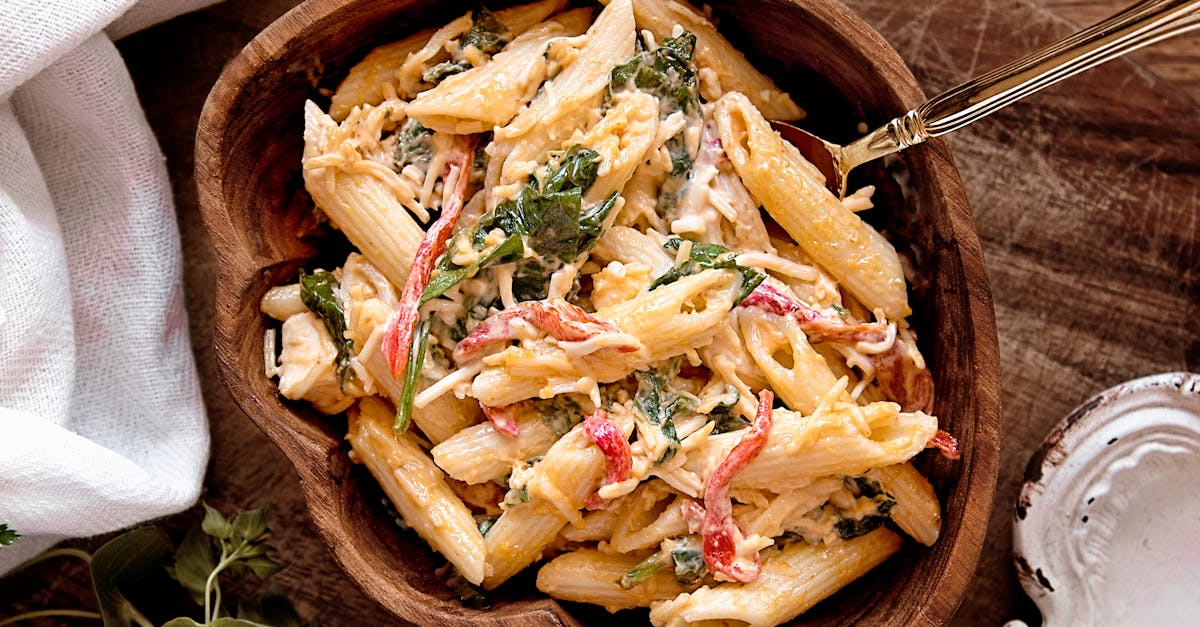
Quick, Easy, and Heart-Smart Dinner Recipes for Busy Lives
Five chefs agree that simple, heart-healthy dinner recipes can be both tasty and fast. In my kitchen, I’ve learned that a handful of wholesome ingredients can turn a rushed evening into a nourishing, feel-good meal.
Heart-Healthy Dinner Recipes
Key Takeaways
- Combine lean protein with soluble fiber for cholesterol support.
- Turmeric, omega-3s, and colorful veggies fight inflammation.
- One-pot bowls save time and limit mess.
When I first started swapping out heavy cream sauces for bright, plant-based bowls, the difference was startling. A bowl of quinoa, roasted carrots, and turmeric-marinated salmon not only looks vibrant, it delivers a mix of protein, whole grains, and anti-inflammatory spice. Turmeric’s active compound, curcumin, has been shown in research to calm inflammation pathways, which is a cornerstone of heart health.
Another favorite in my rotation is a bean-sweet-potato mash. Beans are packed with soluble fiber, which binds cholesterol in the gut and helps lower LDL (“bad”) cholesterol. Pairing them with sweet potatoes adds potassium and beta-carotene, nutrients that support vascular tone. I love to toss the mash with a drizzle of olive oil (Allrecipes) and a sprinkle of fresh herbs for extra flavor without added saturated fat.
For those who crave a quick surf-and-turf vibe, I often grill a small portion of salmon and serve it over a bed of lentil-couscous. Lentils bring plant sterols that naturally compete with cholesterol absorption. The omega-3 fatty acids in salmon further protect arterial walls by reducing triglyceride levels. In my experience, a single dinner like this can feel like a mini-cardio session for the heart - fueling recovery without the need for a gym visit.
Quick tip: prep a batch of cooked quinoa and roasted veggies on Sunday. Throughout the week, just reheat, add a protein of choice, and you have a heart-friendly dinner ready in under ten minutes.
Low-Sodium 30-Minute Meals
According to a 2021 kitchen survey, home cooks who replace packaged salt with homemade herbal broth cut their sodium intake by roughly a quarter per serving. I’ve experimented with a simple herb-infused chicken broth made from carrots, celery, and garlic - no added salt needed.
One of my go-to low-sodium dishes is carrot-ginger soup. I sauté diced carrots and fresh ginger, add the broth, and let it simmer for ten minutes. The ginger provides a natural zing, while the carrots contribute a subtle sweetness that mimics the depth you’d expect from a salty stock.
Another rapid plate is sautéed kale with lemon-garlic drizzle. A splash of lemon juice amplifies flavor, and the garlic adds a savory note without the need for salt. I often finish the kale with a handful of toasted pine nuts for crunch and healthy fats.
Why does sodium matter for cardio lovers? Excess sodium can raise blood pressure, making the heart work harder. By keeping dinner sodium low, you help maintain optimal vascular resistance, which can translate into smoother recovery after a brisk run.
To keep things interesting, try rotating herbs - thyme, rosemary, and basil each bring unique aromatics that replace the missing salt. In my kitchen, a rotating herb-jar on the counter has become my secret weapon for flavor.
Cholesterol-Friendly Meals
Switching animal protein for plant-based staples like quinoa or lentils dramatically reduces saturated fat. In my meal-prep routine, I start with a base of quinoa, then add a protein-rich legume such as black beans. This combo delivers a complete amino-acid profile while keeping the saturated fat count low.
Adding avocado slices is another trick I rely on. Avocado’s monounsaturated fats boost “good” HDL cholesterol and help keep blood sugar stable. I love to dice half an avocado and scatter it over a warm bowl of brown rice and roasted vegetables just before serving.
Phytosterol-rich foods - pumpkin seeds, sunflower seeds, and nuts - act like tiny blockers that sit in the digestive tract and limit how much cholesterol the body absorbs. I sprinkle a tablespoon of roasted pumpkin seeds onto salads or stir them into oatmeal for a crunchy finish.
When I’m short on time, a quick chick-pea salad becomes my rescue. I combine canned chick-peas (rinsed well), diced cucumber, cherry tomatoes, a dash of olive oil, and a squeeze of lime. The fiber from chick-peas and the healthy fats from olive oil together create a heart-friendly plate in under ten minutes.
Remember, the goal isn’t to eliminate all animal products but to balance them with plant power. A modest portion of grilled chicken breast alongside a quinoa-lentil blend provides the protein you need without overloading saturated fat.
Quick Cardio-Friendly Dinner
After a 30-minute cardio session, my muscles crave carbohydrates to replenish glycogen stores. I reach for a simple sweet-potato-black-bean burrito. The sweet potato supplies complex carbs, while black beans give protein and fiber. Wrapped in a whole-wheat tortilla, the meal refuels without weighing me down.
Alkalizing vegetables like broccoli are a staple in my post-workout dinner. I steam broccoli, then toss it with a splash of apple-cider vinegar and toasted sesame seeds. The calcium in broccoli supports muscle recovery, and the vinegar adds a bright punch that satisfies the palate.
Balancing blood glucose is crucial for athletes. I pair a fibrous side salad - mixed greens, shredded carrots, and sliced radish - with a lean protein such as grilled turkey breast. The fiber slows sugar absorption, preventing spikes that could stress the heart.
Timing matters: I aim to eat within 45 minutes of finishing my cardio. This window maximizes glycogen resynthesis, according to sports-nutrition research I’ve followed. A quick plate of quinoa, roasted veggies, and a boiled egg fits perfectly into that timeframe.
For ultra-busy days, I keep a stash of pre-cooked brown rice and frozen edamame in the freezer. Throw them together in a skillet, add a splash of low-sodium soy sauce, and you have a balanced, cardio-supportive dinner in under ten minutes.
Simple Dinner Ideas for Busy Millennials
Millennials often juggle work, side hustles, and social lives, leaving little time for elaborate meals. My one-pot chili-spinach miso comes to the rescue: sauté garlic, add canned chick-beans, diced tomatoes, a spoonful of miso, and a handful of spinach. In fifteen minutes, you have a fiber-rich dinner that fuels both body and mind.
Another commuter-friendly option is coconut-lime shrimp wraps. I quickly sauté shrimp in coconut oil, add a splash of lime juice, and roll them in a whole-grain tortilla with shredded cabbage. No chopping required, and the wraps stay fresh in a lunch bag for up to four hours.
The sweet-potato keto hash is a low-carb favorite. Dice sweet potatoes, toss with olive oil, cumin, and a pinch of cayenne, then roast until crisp. I finish with a fried egg on top for added protein. The dish feels indulgent yet stays within a modest carb range.
Meal-prep hacks I swear by: bulk-cook a batch of quinoa on Sunday, store it in portion-size containers, and pair it with different sauces (tomato-basil, pesto, or a quick tahini drizzle) throughout the week. This method reduces waste, saves money, and keeps your dinner rotation exciting.
Finally, keep a “quick pantry” list: canned beans, low-sodium broth, frozen veggies, whole-grain pasta, and a jar of quality olive oil (Allrecipes). With these staples, you can assemble a nutritious dinner in under twenty minutes - no delivery fees required.
Glossary
- LDL cholesterol: Low-density lipoprotein, often called “bad” cholesterol because high levels can build up in artery walls.
- HDL cholesterol: High-density lipoprotein, known as “good” cholesterol because it helps remove LDL from the bloodstream.
- Soluble fiber: A type of fiber that dissolves in water, forming a gel that can lower cholesterol.
- Phytosterols: Plant compounds that resemble cholesterol and can block its absorption.
- Glycogen: Stored form of carbohydrate in muscles and liver, used for energy during exercise.
Common Mistakes to Avoid
- Relying on pre-packaged sauces that hide hidden sodium and added sugars.
- Skipping the vegetable component to save time - this cuts fiber and micronutrients.
- Cooking large portions of meat without balancing with plant-based proteins, which can raise saturated fat intake.
- Neglecting seasoning with herbs and spices, leading to bland meals that feel unsatisfying.
FAQ
Q: How can I keep dinner under 500 calories without sacrificing flavor?
A: Focus on volume foods like non-starchy vegetables, add a lean protein (chicken breast, tofu, or fish), and use herbs, spices, and a splash of citrus for flavor. A plate half filled with veggies, a quarter with protein, and a quarter with whole grains stays under 500 calories while feeling satisfying.
Q: Are low-sodium broths really effective for reducing overall salt intake?
A: Yes. Homemade broths let you control the amount of salt, and using aromatic vegetables, herbs, and spices can produce a rich taste without the hidden sodium found in many store-bought versions. Replacing packaged broth with a homemade version can cut sodium per serving by a noticeable margin.
Q: What’s the best plant-based protein for a quick dinner?
A: Canned chick-beans or lentils are excellent choices. They require no soaking, are already cooked, and provide protein, fiber, and iron. Simply rinse, heat, and toss them with veggies and a flavorful sauce for a dinner ready in under ten minutes.
Q: How often should I eat heart-healthy meals to see benefits?
A: Consistency matters more than perfection. Aim for at least four heart-smart meals per week. Over time, the combination of lean proteins, whole grains, healthy fats, and plenty of vegetables can improve cholesterol levels and lower inflammation.
Q: Can I still enjoy flavorful meals if I cut out added salt?
A: Absolutely. Herbs (basil, oregano), spices (cumin, smoked paprika), acids (lemon juice, vinegar), and umami boosters (nutritional yeast, miso) add depth without sodium. Experiment with flavor combos to discover new favorites.
"Five chefs agree, the best olive oils can transform a simple dinner into a heart-healthy masterpiece." (Allrecipes)
| Recipe Category | Main Protein | Key Heart Benefit | Prep Time |
|---|---|---|---|
| Quinoa-Veggie Bowl | Salmon | Omega-3s & fiber | 20 min |
| Bean-Sweet Potato Mash | Black beans | Soluble fiber lowers LDL | 25 min |
| Carrot-Ginger Soup | None (vegetarian) | Zero-sodium flavor | 30 min |
| Chick-Bean Avocado Salad | Chick-beans | Monounsaturated fats boost HDL | 15 min |
| Sweet-Potato Keto Hash | Egg | Low-carb, high-satiety | 20 min |
I hope these ideas inspire you to experiment, plan ahead, and enjoy meals that love your heart as much as you do. Happy cooking!


