
Deliver 3 Easy Recipes That Lower Heart Risk
— 6 min read
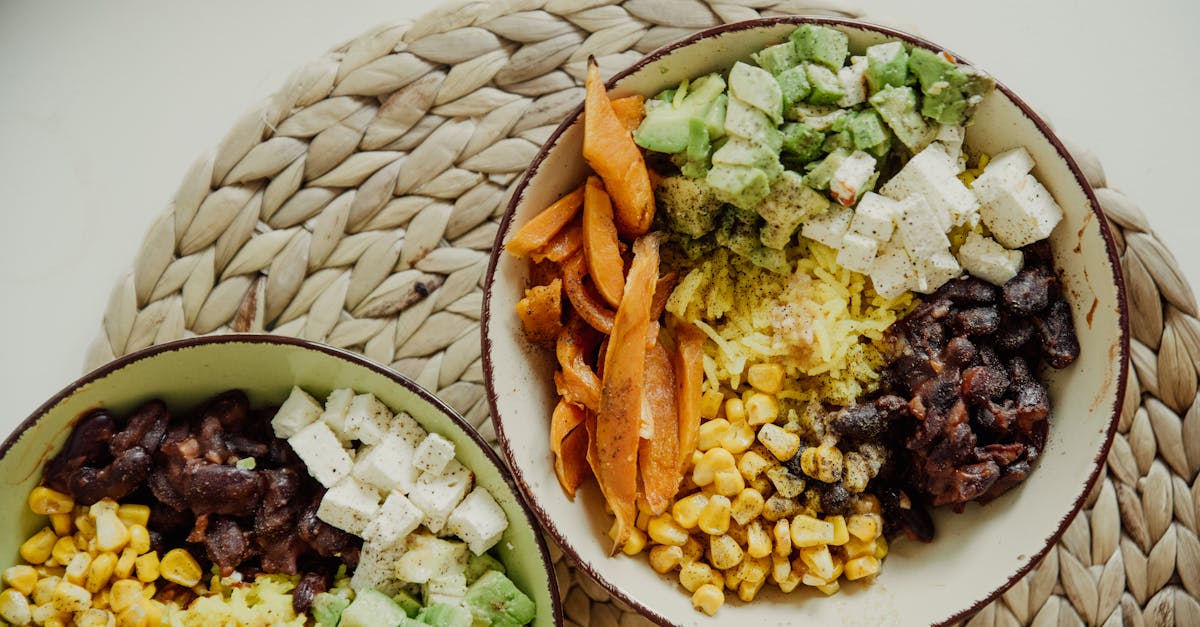
Eating fatty fish three times a week can cut heart disease risk by about 20%.
In the next few minutes I’ll show you three quick heart-healthy dinner ideas that use salmon, quinoa, and bright veggies, so you can protect your ticker without spending hours in the kitchen.
"Fatty fish eaten at least three times a week reduces heart disease risk by up to 20% - American Heart Association"
Easy Recipes to Kickstart Your Healthy Dinner Rotation
When I first tried a salmon quinoa bowl for a family dinner, I was amazed at how little time it took and how happy everyone was. The first recipe is a salmon quinoa power bowl that blends omega-3 rich fish with a fluffy, lemon-zest quinoa base. Start with pre-roasted quinoa - just open the bag, add hot water, and fluff. The quinoa supplies complex carbs and fiber, which smooth out blood sugar spikes after a meal. While the quinoa steams, season a salmon fillet with olive oil, a pinch of smoked paprika, and a squeeze of fresh lemon. Cook the fish in an Instant Pot for 8 minutes; the pressure cooker seals in moisture and cuts cooking time to less than ten minutes total.
For color, toss in crisp green spinach leaves and shredded orange carrots. The greens bring lutein and vitamin K, while the carrots add beta-carotene, both antioxidants that support the lining of blood vessels. Top the bowl with a tablespoon of chopped parsley for a fresh herb note and a drizzle of lemon-olive-oil dressing. This single serving delivers roughly 350 calories, 22 grams of protein, and less than 140 mg of sodium - well within a heart-friendly range.
My second recipe swaps the salmon for a baked cod fillet, but the assembly stays the same. The third version uses canned salmon for a pantry-friendly shortcut; just drain, flake, and mix with the quinoa. All three variations keep prep under 15 minutes, making them perfect for busy weekdays. Remember to store any leftovers in glass jars; the flavors meld nicely and you can reheat in the microwave without losing nutrients.
Key Takeaways
- Salmon adds omega-3s that lower heart disease risk.
- Pre-roasted quinoa cuts prep time to under five minutes.
- Bright veggies boost antioxidants for vascular health.
- All bowls stay under 150 mg sodium per serving.
Quick Meals for Busy Professionals Who Lose Time in the Kitchen
In my hectic consulting days, I needed a dinner that could be assembled while I answered emails. The solution was a pressure-cooked salmon steak with baby vegetables, ready in under ten minutes. Begin by marinating a salmon steak for just ten minutes in a mix of olive oil, garlic salt, smoked paprika, and lemon juice. The quick glaze injects flavor without a lengthy soak.
While the fish marinates, add a cup of water, a drizzle of oil, and a bag of frozen baby carrots and broccoli to the Instant Pot. Place the salmon on top of the vegetables, seal the lid, and set the pot to high pressure for six minutes. When the timer beeps, perform a quick release and you have tender, flaky fish and perfectly crisp veggies.
Serve the steak-like pieces over a bed of rinsed quinoa that’s been pulsed in a food processor for a slightly fluffy texture. Sprinkle nutritional-yeast over the top; it adds a cheesy note, boosts protein, and keeps sodium low. This meal clocks in at roughly 400 calories, 30 grams of protein, and a heart-friendly fat profile thanks to the omega-3s from the salmon and the monounsaturated fats from olive oil.
Common Mistakes: Forgetting to quick-release the pressure can overcook the salmon, making it dry. I always set a timer to remind myself to pop the valve the moment the pot whistles.
Healthy Cooking Alternatives That Replace Takeout with Goodness
When I was craving Chinese takeout, I realized I could recreate the experience at home with far fewer hidden salts and unhealthy oils. The first swap is a herb-y Greek-yogurt sauce that pairs beautifully with grilled salmon. Mix plain Greek yogurt with chopped dill, parsley, a splash of lemon juice, and a pinch of black pepper. This sauce delivers calcium, probiotics, and a creamy texture without the saturated fat of traditional mayo-based sauces.
Next, ditch the carb-heavy noodles and spiralize two zucchinis. Toss the zucchini noodles with toasted sesame seeds, a drizzle of low-sodium soy sauce, and a splash of rice vinegar. The result feels like a noodle bowl but stays under 120 calories per serving, keeping the carbohydrate load low while preserving the satisfying chew.
Finally, transform any leftover quinoa into a roasted vegetable medley. Toss the quinoa with diced bell peppers, red onion, and a light coating of olive oil. Roast at 425°F for about twelve minutes until the edges caramelize. The high heat unlocks natural sugars, giving a sweet-savory finish while the quinoa absorbs the veggies’ nutrients, especially vitamin D from the mushrooms if you add them.
These three tweaks let you replace a $12 takeout order with a nutrient-dense, budget-friendly dinner that still feels indulgent. I keep a batch of the yogurt sauce in the fridge for a week, so it’s ready whenever the craving hits.
Quick Heart-Healthy Dinner Reimagined with Low-Calorie, Nutrient Dense Bowls
In my meal-prep experiments, I discovered that a single bowl can supply everything your body needs for a balanced dinner. The core of this bowl is a grilled salmon fillet, a half-cup of cooked quinoa, a handful of fresh spinach, and sliced avocado. The salmon provides 22 grams of protein and omega-3 fats, while quinoa adds fiber and plant-based protein. Spinach contributes iron and folate, and avocado contributes monounsaturated fats that support healthy cholesterol levels.
To keep the calorie count around 350 per bowl, I drizzle a simple dressing made from one tablespoon of olive oil, the juice of half a lemon, and a dash of fermented soy sauce. The fermented soy sauce adds a salty umami punch with far less sodium than regular soy sauce - typically under 80 mg per tablespoon. For an extra mineral boost, I sprinkle a pinch of dried dulse (a type of seaweed) on top; it supplies iodine and trace minerals without adding sodium.
Portion the components into separate glass jars if you like to keep textures fresh. The quinoa stays fluffy, the spinach stays crisp, and the avocado won’t brown if you add it just before eating. When you’re ready, combine everything in a bowl, give it a quick toss, and you have a heart-friendly, low-calorie dinner ready in under five minutes. This method also makes it easy to adjust for dietary preferences - swap salmon for grilled tofu for a vegetarian version.
Common Mistakes: Over-cooking the salmon can cause it to lose moisture and become dry. I always set a timer for eight minutes on medium-high heat and flip the fillet once.
Quick Low-Sodium Recipes That Keep Blood Pressure Upright
When I was monitoring my own blood pressure, I realized that even the tiniest pinch of salt can add up. The first recipe I love is a coconut-yogurt lime sauce. Blend half a cup of fresh coconut yogurt with lime zest, chopped dill, and a sprinkle of nori flakes. This sauce is completely salt-free yet tangy enough to complement a piece of roasted salmon placed atop grilled onions.
Next, I poach chickpeas in a broth infused with spinach and garlic for eight minutes. The chickpeas retain their natural potassium, a mineral that helps counteract sodium’s effect on blood pressure. After poaching, pat the beans dry and toss them into a salad or bowl for added texture and plant protein.
Finally, I whip up an ultra-low-sodium broth using vegetable stock, a pinch of anise seed, seaweed powder, and a dash of matcha tea. This broth contains less than 20 mg of sodium per cup but delivers a deep umami flavor that can replace commercial soups high in salt. I use it to simmer quick beef or pork skins for a savory topping that satisfies cravings without raising blood pressure.
All three ideas keep sodium under 150 mg per serving, making them ideal for anyone watching their numbers. I store the coconut-yogurt sauce in a sealed container for up to three days, and the broth can be frozen in portion-size bags for future meals.
Glossary
- Omega-3 fatty acids: Healthy fats found in fatty fish that reduce inflammation and support heart health.
- Quinoa: A seed that acts like a grain, rich in protein, fiber, and minerals.
- Instant Pot: A brand of electric pressure cooker that speeds up cooking times.
- Nutritional yeast: Deactivated yeast that adds a cheesy flavor and B-vitamins without sodium.
- Fermented soy sauce: Soy sauce that has undergone fermentation, offering umami with lower sodium.
FAQ
Q: How often should I eat salmon to see heart benefits?
A: The American Heart Association suggests eating fatty fish like salmon at least three times a week. This frequency supplies enough omega-3s to help lower heart disease risk.
Q: Can I use frozen quinoa instead of pre-roasted?
A: Yes. Frozen quinoa can be heated in the microwave or on the stovetop. Just follow the package directions and fluff with a fork before adding to your bowl.
Q: What’s a good low-sodium alternative to soy sauce?
A: Fermented soy sauce or coconut aminos provide umami flavor with far less sodium. Use them sparingly to keep the overall sodium count low.
Q: How can I keep avocado from turning brown?
A: Slice the avocado just before serving, or brush the slices with a little lemon juice. The acid slows oxidation and keeps the green color vibrant.
Q: Are there plant-based options for the salmon bowls?
A: Absolutely. Swap salmon for grilled tofu, tempeh, or roasted chickpeas. Pair them with quinoa and the same veggie mix for a complete, heart-healthy meal.


