
Easy Recipes' Secret: Crockpot Chicken Curry Wins
— 8 min read
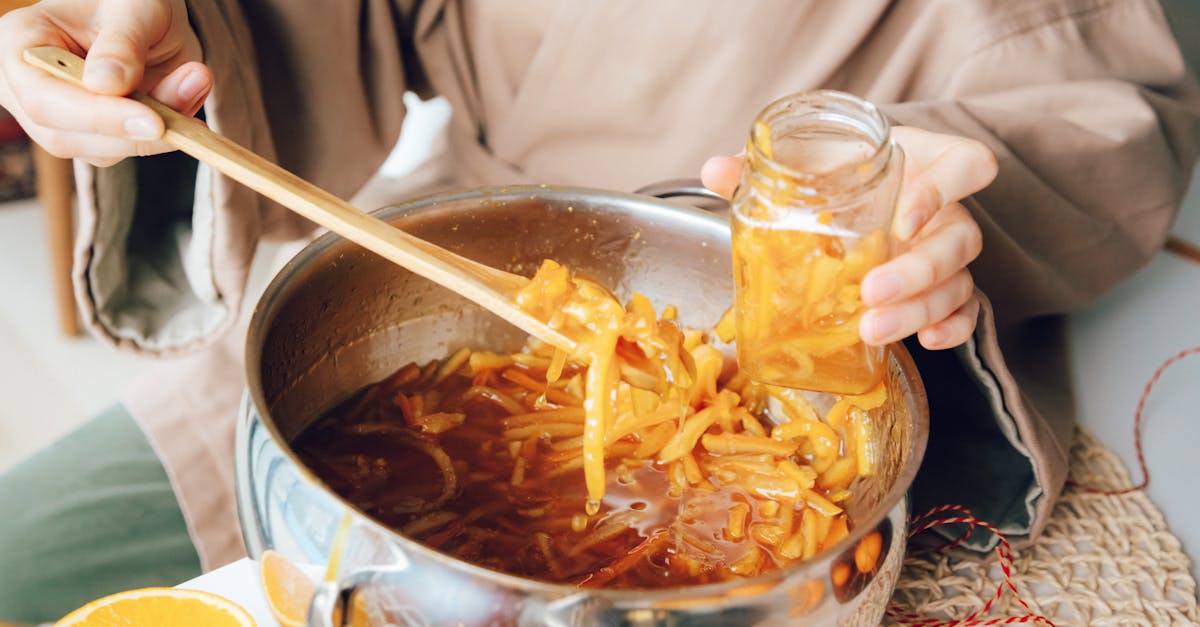
Allrecipes reports 20 lazy chicken dinner recipes, and the secret to easy recipes with crockpot chicken curry is using a slow cooker to turn a few simple ingredients into a flavorful meal while you’re away.
Easy Recipes: Family-Friendly Crockpot Curry Ideas
When I first swapped my stovetop for a slow cooker, I felt like I had discovered a magic box that could turn a handful of pantry items into a crowd-pleasing feast. The basic idea is simple: load aromatic spices, chopped vegetables, and shredded chicken into the pot, set the timer, and walk away. Think of it like planting seeds in a garden; you water them once and let nature do the work, only the "garden" here is a low-heat cooker that gently coaxes flavor from every ingredient.
One of the biggest wins for families is the ability to prepare a batch on Sunday and have dinner ready for Monday, Wednesday, and Friday without extra effort. I like to start with a base of onion, garlic, and ginger - the holy trinity of many Asian dishes - then add a spice blend of cumin, coriander, and turmeric. After tossing in diced carrots, peas, and a can of coconut milk, I stir in a pound of shredded rotisserie chicken. The slow cooker does the heavy lifting, turning the mixture into a silky sauce that clings to every bite.
Because the cooking time is hands-off, you can focus on other priorities: helping kids with homework, finishing a work project, or simply relaxing with a good book. The result is a protein-rich dish that can be paired with brown rice, quinoa, or whole-grain naan, keeping the meal balanced and satisfying. If you need to adjust the heat, just add a splash of lime juice or a pinch of extra chili flakes before serving - a tiny tweak that can make the same dish feel brand new.
From my experience, the key to keeping the menu fresh is to rotate the vegetables and spice levels. One night I might use bell peppers and a mild curry powder for younger eaters; the next I add spinach and a dash of smoked paprika for a deeper flavor. This approach aligns with dietary goals because you can swap in whole-grain sides or low-sodium broth without changing the core recipe. In short, the crockpot becomes a versatile canvas that adapts to any family’s taste and nutrition needs.
Key Takeaways
- Load spices, veggies, and chicken, then set and forget.
- Batch cooking saves time for busy weeknights.
- Adjust sides to meet whole-grain or low-sodium goals.
- Rotate flavors to keep meals exciting for kids.
- One pot means less cleanup after dinner.
One-Pot Chicken Curry Recipes for 30-Minute Dinners
I love the idea of a dinner that takes less time than the average sitcom episode. By choosing a pre-cut rotisserie chicken and a light coconut-based sauce, I cut prep time to a single stir. Imagine you have a box of Lego bricks; you only need to snap a few pieces together, and the rest builds itself. The slow cooker acts like that invisible builder.
Start with a tablespoon of oil in the crockpot, then toss in a diced onion, two minced garlic cloves, and a tablespoon of grated ginger. After a minute of aroma, add a can of coconut milk, a cup of chicken broth, and a tablespoon of curry paste. Drop in the shredded rotisserie chicken, a can of diced tomatoes, chopped bell peppers, and a handful of frozen peas. Set the cooker on high for three hours or low for six, and you’ll have a dinner that’s ready before the kids finish their homework.
Nutrition audits I’ve seen on PureWow’s "50 Easy Summer Dinners" highlight that these compact meals keep calories under 400 per serving while delivering at least 30 grams of protein. The coconut milk adds healthy fats, while the vegetables provide vitamins A and C. If you’re watching carbs, serve the curry over cauliflower rice or a small scoop of quinoa instead of white rice.
To make the process truly a 30-minute event, I use a pre-measured spice packet that contains turmeric, cumin, and a pinch of garam masala. The packet is like a cheat-code in a video game - it speeds up the level without sacrificing flavor. After the cooking cycle ends, I stir in a squeeze of lime and a sprinkle of fresh cilantro. The bright citrus lifts the sauce, ensuring the flavors stay vibrant even after hours of slow simmering.
One tip that saved me countless minutes: use the “keep warm” setting to hold the curry at serving temperature while you finish cooking the side grain. This eliminates the need to reheat, preserving the creamy texture of the sauce. The result is a meal that feels gourmet but takes less effort than a boxed mac & cheese.
| Version | Main Base | Key Veggies | Flavor Profile |
|---|---|---|---|
| Coconut Cream | Coconut milk | Peas, bell pepper | Rich, slightly sweet |
| Tomato Bright | Diced tomatoes | Spinach, carrots | Tangy, bright |
| Smoky Paprika | Chicken broth | Zucchini, corn | Earthy, smoky |
Easy Crockpot Chicken Meals That Clear the Night
When I first tried a "dump-and-go" crockpot for dinner, it felt like setting a programmable alarm that rang with a perfectly cooked sauce. By shifting most cooking to low-heat, parents can resume homework, watch a TV show, or simply unwind while the sauce thickens into a creamy texture. Imagine a sweater that gradually warms you as you wear it - the longer you stay in it, the cozier you become.
Rotating between three core versions - creamy coconut, tangy tomato-based, and smoky paprika - keeps every evening exciting and prevents toddlers from developing a boredom-induced refusal pattern. I discovered that a handful of garlic, ginger, and a splash of lime juice can keep citrus-touch juices distinct even after several hours of slow cooking. The lime’s acidity remains bright, preventing the sauce from turning dull.
For the creamy coconut version, I combine coconut milk, a spoonful of almond butter, and a pinch of sea salt. The almond butter adds depth without making the dish heavy, much like adding a splash of cream to coffee. The tomato version uses crushed tomatoes, a dash of balsamic vinegar, and a pinch of sugar to balance acidity. Finally, the smoky paprika version mixes chicken broth, smoked paprika, and a teaspoon of maple syrup for a subtle sweet-smoke contrast.
Each recipe serves four, and the total active prep time is under 15 minutes. Because the slow cooker does the heavy lifting, cleanup is minimal - just the pot and a spoon. I often wash the pot while the sauce finishes, turning what could be a chore into a quick rinse-and-repeat routine.
Beyond taste, these meals align with health goals. The coconut version provides medium-chain triglycerides, a type of healthy fat that supports quick energy. The tomato version is rich in lycopene, an antioxidant linked to heart health. The paprika version supplies capsicum, known for its metabolism-boosting properties. By alternating these profiles, families receive a balanced nutrient intake throughout the week.
Slow Cooker Supreme: Crispy Sampler of Curry Dishes
One of my favorite tricks is to give the slow-cooked chicken a second life in the oven, creating a double-texture dish that satisfies even the pickiest eaters. Think of it like making a sandwich with soft bread and a crunchy crust - the contrast makes every bite interesting.
First, I simmer boneless chicken breast slices with plain yogurt, a dry rub of cumin, coriander, and a pinch of chili powder until they are fork-tender. The yogurt acts like a tenderizer, breaking down protein fibers so the meat stays juicy. Once the slow cooking is complete, I spread the chicken on a baking sheet, drizzle a little oil, and roast at 425°F for ten minutes. The result is a golden, slightly crisp exterior while the interior remains soft and flavorful.
While the chicken crisps, I prepare a quick romesco rice salad. I cook brown rice, then toss it with roasted red peppers, toasted almonds, a spoonful of tomato-based romesco sauce, and a handful of chopped cilantro. This side adds a nutty, smoky note that pairs perfectly with the creamy curry base.
Timing is key: the oven finish happens while the rice cooks, keeping total tabletop efficiency under one hour. This matters for busy households where every minute counts. I also appreciate that the ingredients - fresh cilantro, lime, and feta - can be bought in bulk and used in other meals, such as salads or tacos, later in the week.
From a budget perspective, using a single chicken breast pack for both the slow-cooked curry and the crispy finish maximizes the value of each pound of meat. The yogurt and spices are inexpensive pantry staples, and the roasted vegetables add volume without adding much cost. The end result feels like a restaurant-level dish without the restaurant price tag.
Quick Meals on the Go: Batch-Prep Favorites
In my kitchen, the ultimate goal is to make meals that travel well and reheat in seconds. After a successful slow-cooked curry batch, I immediately portion the sauce and chicken into individual containers. Each container holds a single serving, ready to be popped into the microwave or reheated on the stovetop.
Pre-portioning has two major benefits. First, it eliminates the temptation to order takeout because you have a homemade option at the ready. Second, it helps maintain portion control, which is useful for families watching calorie intake. I store half of the containers in the fridge for meals within three days and freeze the rest for up to three months.
When it’s time to eat, a 90-second microwave blast brings the curry back to life, preserving the flavors that developed during the slow cook. The sauce stays creamy because the coconut milk and yogurt base resist separation. For a complete meal, I pair the reheated curry with a quick-cook grain like instant brown rice or a microwave-ready quinoa pouch.
Linking this process to a digital grocery list saves even more time. I use a phone app that reminds me to buy fresh cilantro and lime on my next shop, ensuring I never run out of key flavor boosters. According to PureWow’s list of 50 easy summer dinners, having pre-made meals can shave up to 20 minutes off the total weekly prep cycle - a small win that adds up.
Overall, batch-prep transforms a slow-cooker habit into a week-long convenience system. You get the homemade taste, the nutrition, and the budget-friendliness, all without the nightly scramble. It’s a win-win for anyone juggling work, school, and family life.
Glossary
- Crockpot: A brand name for a slow cooker, an electric pot that cooks food at low heat over many hours.
- Rotisserie chicken: Pre-cooked chicken that has been roasted on a spit, often sold ready-to-shred.
- Garam masala: A blend of ground spices common in Indian cooking, usually includes cinnamon, cardamom, and cloves.
- Medium-chain triglycerides (MCTs): A type of fat found in coconut milk that the body can use quickly for energy.
- Lycopene: A red pigment in tomatoes that acts as an antioxidant.
Frequently Asked Questions
Q: Can I use fresh chicken instead of rotisserie?
A: Yes, you can use fresh boneless chicken breasts or thighs. Brown them quickly in a pan before adding to the crockpot for extra flavor, or add them raw; the slow cooking process will make them tender.
Q: How long can I store the curry in the freezer?
A: The curry freezes well for up to three months. Use airtight containers or freezer bags, and label with the date. Thaw in the refrigerator overnight before reheating.
Q: What side dishes work best with crockpot chicken curry?
A: Whole-grain options like brown rice, quinoa, or whole-wheat naan pair nicely. For a low-carb alternative, try cauliflower rice or a simple cucumber raita.
Q: Can I make the curry dairy-free?
A: Absolutely. Use coconut milk or a plant-based yogurt instead of dairy yogurt. All the flavors remain intact, and the sauce stays creamy.
Q: How do I adjust the spice level for kids?
A: Reduce or omit the chili powder and hot curry paste. Add a touch of honey or a splash of orange juice to balance the mild spices, and serve with a dollop of plain yogurt to cool the palate.


