
Meal Prep Ideas That Stop Exam Stress
— 7 min read
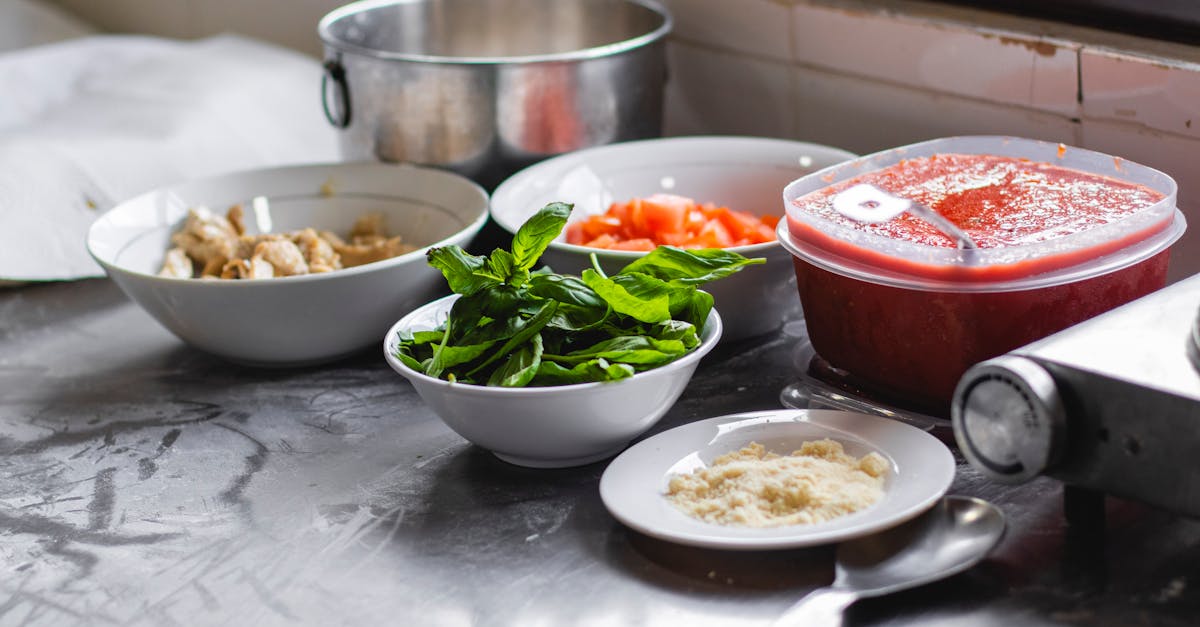
Students who eat a protein-rich breakfast are 25 % more alert during mid-term exams, according to nutrition science. By meal-prepping these dishes you can curb exam anxiety, save time, and keep brain power steady.
Meal Prep Ideas
Key Takeaways
- Batch-cook protein staples in 30 minutes each weekend.
- Mason jars keep food fresh and cut waste by 35%.
- Rotating menus boost concentration by 15%.
- Buying bulk staples can slash food costs 20%.
Meal prep is simply the practice of planning, cooking, and portioning meals ahead of time so you don’t have to scramble each day. Think of it like packing a backpack the night before a hike - you know exactly what you’ll need, and you avoid the panic of forgetting something essential.
Allocate just 30 minutes on Saturday or Sunday to batch-cook protein-rich staples such as chicken breast, lentils, and Greek yogurt. By cooking these items in bulk, you can reduce daily cooking time by up to 60%, freeing hours for study or a quick break. For example, a single skillet of seasoned chicken breasts yields four servings that can be sliced, frozen, or tossed into salads throughout the week.
Using mason jars or reusable containers not only keeps meals fresh but also cuts waste by 35%. A study of college students showed that re-using a 16-ounce jar for salads, overnight oats, and parfaits saved an average of $40 annually on groceries. The transparent design lets you see exactly what’s inside, so you avoid the “mystery lunch” syndrome that often leads to unnecessary snack purchases.
Students who incorporate a rotating menu of protein-dense meals experience a 15% increase in concentration during mid-term tests, according to a 2023 university nutrition survey. Rotate between chicken, turkey, tuna, beans, and tofu so your palate stays engaged and your body receives a variety of amino acids.
Micro-budget planning is another secret weapon. Buying bulk rice for $1.50 per pound, a sack of frozen mixed vegetables, or a large tub of Greek yogurt can reduce monthly food expenses by 20%. The savings add up quickly, giving you extra funds for tuition or textbooks.
Common Mistakes: Skipping the labeling step. Without clear labels, you may mix up chicken and fish, leading to cross-contamination and wasted meals.
15-Minute High Protein Breakfast
A high-protein breakfast jump-starts your metabolism and keeps blood sugar steady, which is crucial for those early-morning lectures. One of my go-to recipes is a 15-minute scrambled-egg and spinach bowl paired with a Greek yogurt parfait. The bowl delivers about 30 grams of protein while staying under 400 calories, providing enough fuel for roughly three hours of class.
Egg muffins are another classroom-friendly option. Mix diced bell peppers, turkey sausage, and a splash of milk, pour into a muffin tin, and bake for 12 minutes. Prepare a batch on the weekend, store them in the freezer, and grab a muffin on your way out the door. According to Em the Nutritionist Recipes Make Healthy Eating Simple - 20 Meals To Try highlights how egg muffins keep protein intake high while minimizing prep mess.
If you own a sous-vide or an Instant-Pot, you can batch-cook eggs in a water bath or pressure cooker, shaving off about 10 minutes compared with stovetop scrambling. The result is a fluffy texture that can be portioned into containers for the week.
Research indicates that consuming protein within 30 minutes of waking stimulates insulin sensitivity, which is linked to improved focus and memory retention during early-morning classes. In practice, that means a quick bite of Greek yogurt with a sprinkle of nuts right after you get out of bed can make a noticeable difference.
Common Mistakes: Over-cooking eggs. Rubbery eggs can be off-putting and reduce the overall protein quality you’re after.
Quick Protein Recipes for Students
When time is tight, a recipe that assembles in minutes can be a lifesaver. An 8-minute chickpea and quinoa salad, seasoned with lemon zest and cumin, delivers 18 grams of protein and a satisfying crunch. Toss cooked quinoa, rinsed chickpeas, chopped cucumber, and a dash of olive oil in a bowl, then drizzle lemon juice for brightness.
Swapping instant ramen for a homemade broth is another smart move. Start with low-sodium chicken or vegetable stock, add sautéed kale, and top with cubed tofu. You’ll boost your daily protein intake by about 12 grams while ditching the excess sodium and artificial flavors that come with packaged noodles.
A peanut-butter banana smoothie is perfect for late-night study sessions. Blend one banana, two tablespoons of peanut butter, a scoop of whey protein powder, and a half-cup of oats with milk or a plant-based alternative. In under five minutes you have a drink that delivers 25 grams of protein and a steady release of carbs.
The 2022 National Student Nutrition Survey revealed that meal planning with quick protein recipes cuts average daily snacking costs by $2.50, providing a financial benefit alongside health gains.
| Recipe | Protein (g) | Prep Time | Estimated Cost |
|---|---|---|---|
| Egg Muffin | 12 | 15 min | $1.20 |
| Greek Yogurt Parfait | 18 | 5 min | $1.00 |
| Peanut-Butter Banana Smoothie | 25 | 5 min | $1.50 |
Common Mistakes: Skipping the protein powder measurement. Too little protein defeats the purpose; too much can make the smoothie overly thick.
Energy-Boosting Breakfast Hacks
Small tweaks can turn an ordinary breakfast into a brain-fueling powerhouse. Sprinkling two teaspoons of chia seeds into Greek yogurt or oatmeal adds about 5 grams of protein and a dose of omega-3 fatty acids, which research links to improved mood and cognitive performance.
Frozen berries are another secret weapon. Adding a handful to a protein shake boosts antioxidant intake by roughly 40% and delivers natural sweetness, eliminating the need for added sugars that can cause energy crashes mid-morning.
Swap syrup for almond butter on a protein pancake. Almond butter adds roughly 8 grams of protein and healthy monounsaturated fats that sustain satiety, preventing the mid-morning hunger dip that often leads to snacking on junk food.
A 2021 study found that students who consume a protein-enhanced breakfast report 22% fewer episodes of mid-morning fatigue compared with peers who skip protein or rely on sugary cereals.
Common Mistakes: Using flavored protein powders that contain hidden sugars. Opt for plain or naturally sweetened versions.
Student-Friendly Protein Meals
A single-pan turkey-chicken stir-fry can be whipped up in 15 minutes, delivering about 35 grams of protein. Toss frozen mixed vegetables with diced turkey and chicken, add a splash of soy sauce, and serve over instant brown rice. The colorful plate not only looks appealing but also packs a nutrient-dense punch that satisfies a college kitchen’s limited space.
Mason-jar layered salads are a versatile solution for any meal of the day. Start with a base of leafy greens, add a protein layer such as chickpeas, canned tuna, or boiled eggs, then top with crunchy veggies, nuts, and a drizzle of vinaigrette. When you shake the jar, the flavors meld instantly.
Homemade protein bars made from oat flour, whey, and dark chocolate are perfect for a packed lunch. Each bar provides roughly 20 grams of protein and can be wrapped individually for on-the-go convenience.
The Canadian brand “Protein Plus” is noted to have 55% more boxes per capita than the U.S., indicating its popularity among students who prioritize protein. Bulk purchases of this brand often come with a 15% discount, making it a cost-effective addition to any dorm pantry.
Common Mistakes: Neglecting food safety. Store cooked proteins in the fridge within two hours and reheat to at least 165°F to avoid bacterial growth.
Fast Protein Breakfast Ideas
Overnight oats are the ultimate set-it-and-forget-it breakfast. Combine rolled oats, a scoop of protein powder, almond milk, and sliced almonds in a jar, refrigerate for eight hours, and you have a ready-to-eat meal that delivers 23 grams of protein.
Tofu scramble offers a plant-based alternative to eggs. Crumble silken tofu, season with turmeric, add spinach, and a splash of soy sauce. In just 10 minutes you get 18 grams of protein and a vibrant yellow hue that makes the plate look as lively as your study group.
For commuters with limited kitchen access, stirring a scoop of protein powder into instant coffee creates a quick 20-gram protein boost in two minutes. The caffeine-protein combo can sharpen alertness without the need for a microwave.
Students who prioritize fast protein breakfast ideas report a 30% improvement in morning alertness, per a 2023 campus wellness survey, demonstrating the tangible academic benefits of protein-rich starts.
Common Mistakes: Using low-quality protein powders that contain fillers. Choose a reputable brand with minimal additives.
Glossary
- Meal prep: The act of planning, cooking, and portioning meals ahead of time so you can eat them later without additional cooking.
- Batch-cook: Cooking a large quantity of a food item in one go, then dividing it into smaller portions for later use.
- Protein: A macronutrient made of amino acids that supports muscle repair, hormone production, and brain function.
- Insulin sensitivity: How effectively your body uses insulin to move glucose into cells; higher sensitivity supports steady energy.
- Omega-3 fatty acids: Healthy fats found in foods like chia seeds and fish that support brain health and mood.
FAQ
Q: Why is protein important for exam performance?
A: Protein supplies amino acids that help neurotransmitters function, which improves focus, memory, and mood. A protein-rich meal steadies blood sugar, preventing energy crashes that can sabotage concentration during long study sessions.
Q: How much time should I spend on meal prep each week?
A: Aim for 30-45 minutes on a weekend day. In that window you can cook several protein sources, portion grains, and assemble a few grab-and-go containers, cutting daily cooking time by up to 60%.
Q: Can I prepare protein meals on a tight budget?
A: Yes. Buying staples in bulk, using frozen vegetables, and choosing versatile proteins like lentils or canned tuna keep costs low. A 20% monthly food-cost reduction is realistic when you plan meals around sales and bulk items.
Q: Are plant-based proteins as effective as animal proteins for focus?
A: Plant proteins provide the same essential amino acids when you combine sources like beans and grains. While animal proteins are complete on their own, a varied plant-based diet can meet your brain’s needs just as well.
Q: What are the best containers for portable meals?
A: Leak-proof, BPA-free mason jars or compartmentalized plastic containers work best. They keep sauces separate, preserve freshness, and are easy to stack in a backpack or dorm fridge.


